Building Smarter Schools with Integrated AI Learning Platforms
Education has changed dramatically over the last decade. From digital classrooms and online learning tools to tablets and smart devices, technology has steadily reshaped how teachers teach and how students learn. Today, Artificial Intelligence is driving the next major transformation in education.
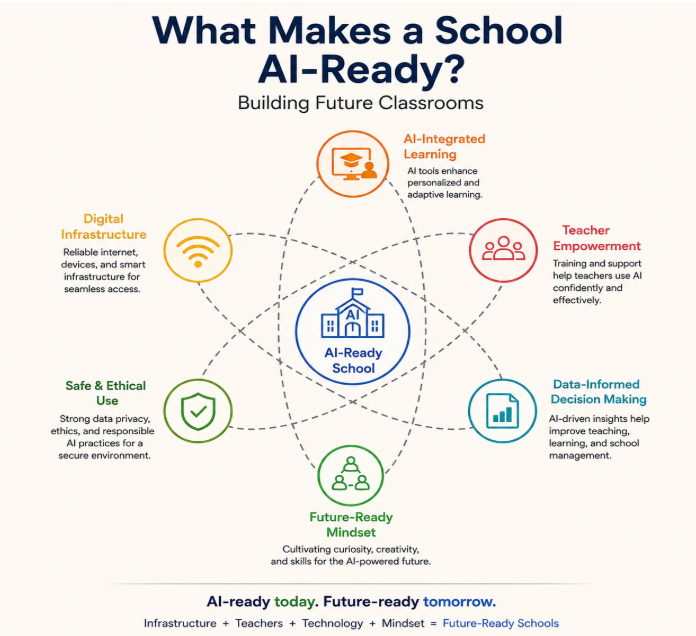
Schools are no longer relying on separate digital tools that work independently. Instead, many institutions are now moving toward integrated AI learning platforms that combine teaching, assessment, analytics, and student support into one connected ecosystem.
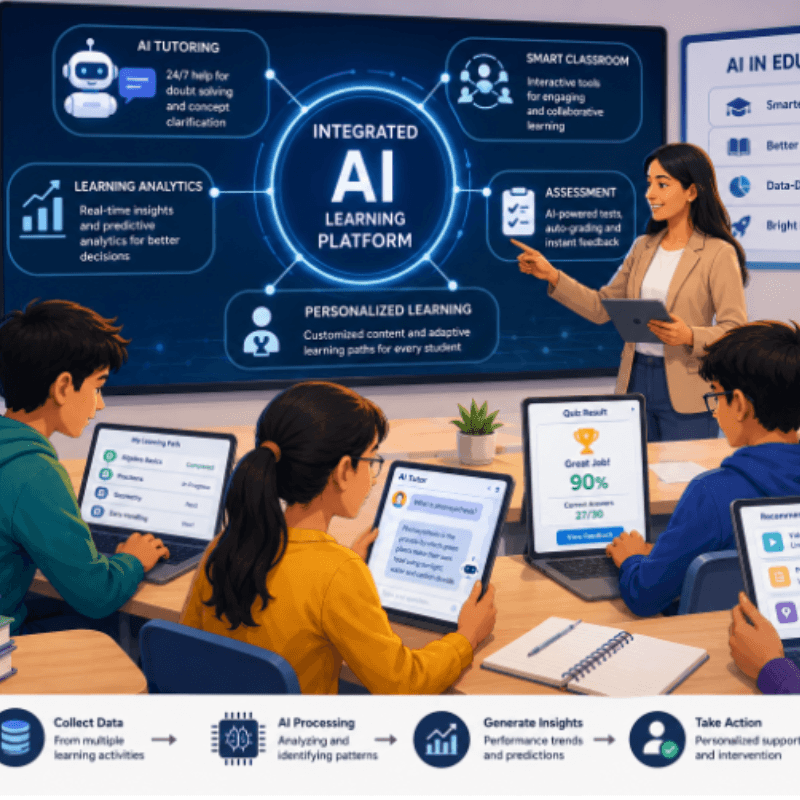
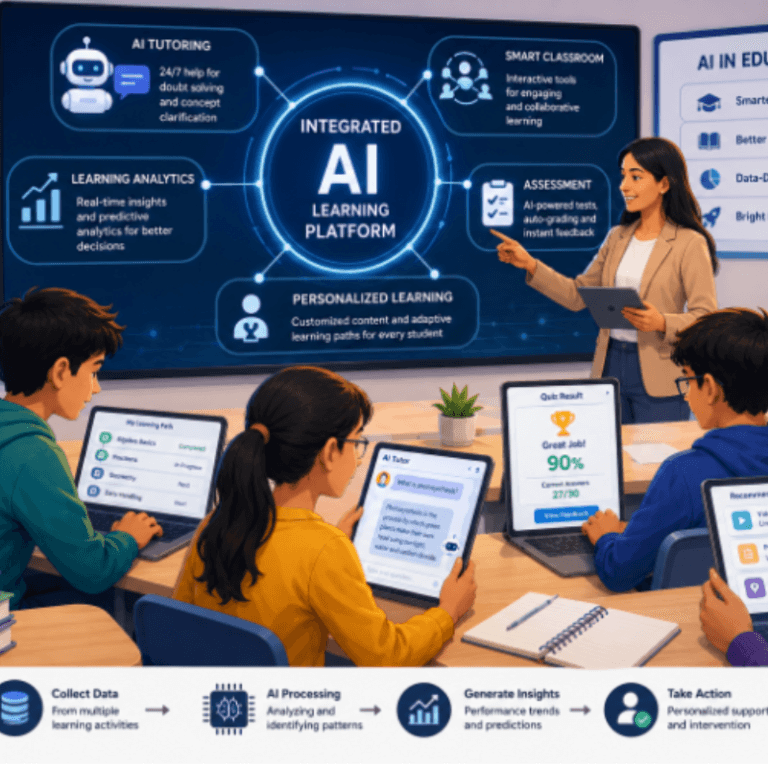
These intelligent systems bring together AI-powered tutoring, classroom management, assessments, performance tracking, and personalized learning tools into a single platform. Rather than managing multiple disconnected applications, schools can now operate through one centralized AI-driven learning environment.
This shift marks the beginning of a new era in education — one where technology doesn’t simply support learning but actively improves and personalizes it.
Why Schools Are Moving Toward Integrated AI Platforms
Many schools already use learning management systems, online testing tools, and educational applications. However, these systems often function separately, making classroom management more complicated for teachers and administrators.
Without integration, teachers are forced to switch between multiple platforms for assignments, assessments, student progress tracking, communication, and reporting. This increases workload and reduces efficiency.
Integrated AI learning platforms solve this challenge by bringing all educational tools together into a unified system.
Benefits of Integrated AI Learning Platforms
- A centralized hub for teaching and learning
- Real-time monitoring of student performance
- Reduced administrative workload for teachers
- Intelligent data analysis for better academic decisions
- Improved communication between systems and users
By connecting multiple technologies into one environment, schools can create smoother and more effective learning experiences.
Core Components of an AI Learning Platform
A modern AI-powered education system combines several technologies designed to enhance both teaching and student learning.
1. AI-Powered Learning Management Systems
At the center of every digital classroom is the Learning Management System (LMS).
When AI capabilities are integrated into LMS platforms, schools gain access to smarter learning experiences. These systems can track student behavior, analyze learning patterns, and recommend personalized study materials based on individual progress.
AI-enabled LMS platforms can also adapt lesson delivery according to how students interact with educational content, creating more customized learning journeys.
2. Intelligent Assessment Systems
Integrated AI platforms improve how schools conduct assessments and evaluate student understanding.
Modern systems can include:
- AI-generated question papers
- Adaptive online assessments
- Automated grading systems
- Instant feedback mechanisms
- Real-time performance analysis
These tools help teachers save valuable time while providing deeper insights into student learning outcomes.
Adaptive assessments are especially useful because they adjust question difficulty based on student responses, allowing educators to measure true understanding rather than simple memorization.
3. AI Tutoring and Student Support
AI-powered tutoring systems provide students with learning support beyond regular classroom hours.
Students can revise difficult topics, ask questions, and receive explanations instantly whenever they need assistance. Educational AI chatbots also help learners resolve subject-specific doubts quickly without waiting for the next classroom session.
These systems create continuous learning opportunities and encourage students to study more independently and confidently.
Advantages of AI Learning Support
- Instant doubt resolution
- Additional practice opportunities
- Personalized explanations
- Learning support anytime and anywhere
- Improved student confidence and engagement
Learning Analytics and Predictive Insights
One of the most powerful features of AI in education is learning analytics.
AI systems collect and analyze data from multiple learning activities, including:
- Online quizzes
- Classroom participation
- Assignments and practice exercises
- Learning trends over time
By processing this information, AI can identify patterns in student performance and learning behavior.
Teachers can quickly identify:
- Students who need additional support
- Topics that students struggle with most
- Learners ready for advanced challenges
- Common performance trends across classrooms
Predictive analytics takes this even further by identifying potential learning difficulties before they become major problems. For example, if several students repeatedly struggle with a specific topic, teachers can receive early alerts and revise lessons immediately.
This enables educators to make faster, smarter, and more data-driven decisions.
How AI Integration Helps Teachers
One of the biggest advantages of integrated AI systems is the support they provide to teachers.
A large portion of a teacher’s time is often spent on repetitive administrative tasks such as:
- Creating assessments
- Grading assignments
- Tracking student progress
- Preparing reports
AI integration helps automate many of these processes.
AI Can Assist Teachers By:
- Automatically generating quizzes and tests
- Providing instant grading and feedback
- Tracking student learning patterns
- Creating performance reports and analytics
As a result, teachers can spend more time mentoring, guiding, and supporting students instead of managing paperwork and repetitive tasks.
AI does not replace teachers — it enhances their ability to teach more effectively.
Personalized Learning Through AI
Every student learns differently.
Some students understand concepts quickly, while others require additional support and practice. Traditional classrooms often struggle to address these individual learning differences effectively.
AI-powered learning platforms help solve this problem through personalized learning experiences.
AI systems can:
- Recommend extra practice for weak areas
- Provide advanced challenges for high-performing students
- Adjust lesson difficulty levels automatically
- Suggest learning resources based on student needs
This creates a flexible learning environment where students can progress at their own pace while receiving the support they need.
Personalized learning ensures that no student is left behind while also encouraging advanced learners to explore more challenging material.
AI Integration in Smart Classrooms
Smart classrooms are becoming increasingly common in modern schools, and AI integration plays a major role in making them more effective.
In an AI-powered smart classroom:
- Classroom tools connect directly with assessment systems
- Student performance data flows into analytics dashboards
- Teachers receive real-time learning insights instantly
- AI systems help improve lesson delivery and engagement
Some schools across countries like the USA and Australia are already experimenting with connected AI learning ecosystems where smart classroom technologies, assessment platforms, and analytics systems work together seamlessly.
These integrated environments help schools create more engaging, interactive, and student-centered classrooms.
Challenges of Implementing AI Learning Platforms
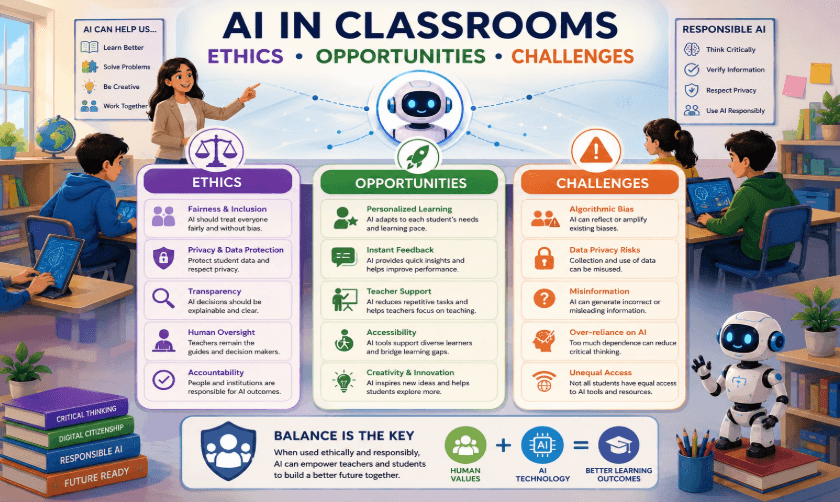
While AI integration offers significant benefits, schools may still face certain challenges during implementation.
These may include:
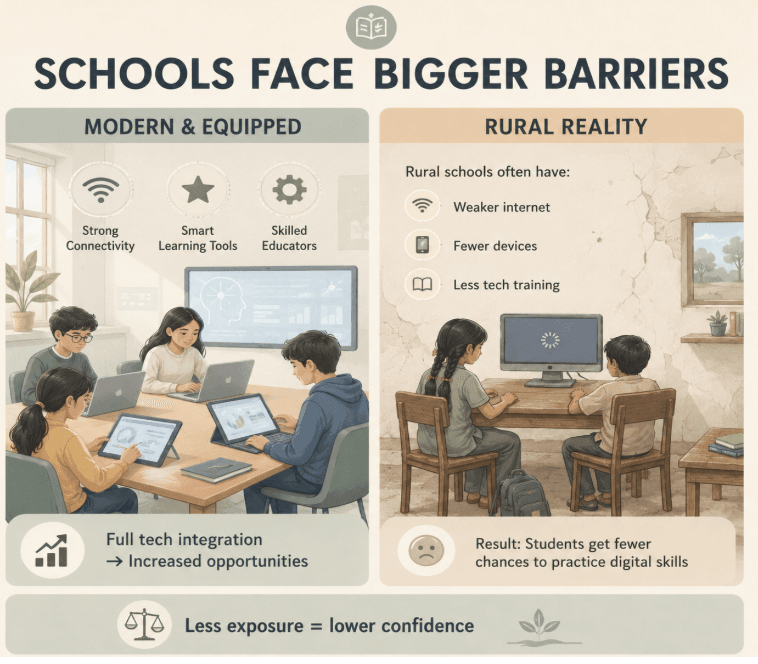
- Infrastructure and hardware requirements
- Teacher training and technology adoption
- Data privacy and cybersecurity concerns
- Compatibility with existing school systems
However, as educational technology becomes more accessible and affordable, these barriers are gradually decreasing. Many modern AI solutions are now designed for easier integration into school environments.
The Future of AI Integration in Education
The role of AI in education will continue to grow in the coming years.
Future classrooms may include:
- Fully personalized learning pathways
- Real-time adaptive instruction
- AI-driven career guidance systems
- Immersive AR and VR learning experiences
- Advanced skill-based assessments
At the same time, continuous learning analytics will help teachers improve classroom strategies and monitor student development more effectively.
Instead of relying on disconnected educational tools, schools will increasingly adopt complete AI ecosystems that connect teaching, learning, assessment, and analytics into one intelligent platform.
The objective is not to replace teachers, but to strengthen the overall learning experience for both educators and students.
Conclusion
Schools that embrace integrated AI learning systems today will be better prepared for the classrooms of tomorrow.
By combining learning technologies, assessment tools, analytics systems, and AI-powered support into one connected platform, schools can create smarter and more efficient educational environments.
Integrated AI solutions help teachers gain valuable insights into student progress, learning gaps, and classroom performance while giving students personalized learning experiences tailored to their needs.
These platforms also reduce administrative workloads by automating repetitive tasks such as grading, reporting, and performance tracking.
As education technology continues to evolve, integrated AI learning platforms will become one of the most important foundations of future-ready schools — creating classrooms that are more intelligent, adaptive, engaging, and student-focused than ever before.
Categories
Recent Post